


Policy Brief
One question, answered. It opens with the finding rather than the background, and closes with what a decision-maker should do differently on Monday.
- Length
- 4–8 pages
- Cadence
- As the question arises
Red Sea Research & Policy Institute is a non-partisan think tank in Hargeisa. It studies the Red Sea, the Bab el-Mandeb strait and the Horn of Africa for the governments, institutions and operators who have to act on them.
One of the world’s most consequential corridors is analysed almost entirely from somewhere else.
RSRPI was founded to close that distance. The strait the world’s trade passes through sits at the Institute’s door; the research starts from the realities on the ground and carries them into the rooms where decisions are made.
Founded 1 February 2026 in Hargeisa · Independent research · Policy analysis · Strategic insight
About the Institute01Research
The long-form report the Institute is currently arguing from, and the Monitor edition that tracks the corridor around it.
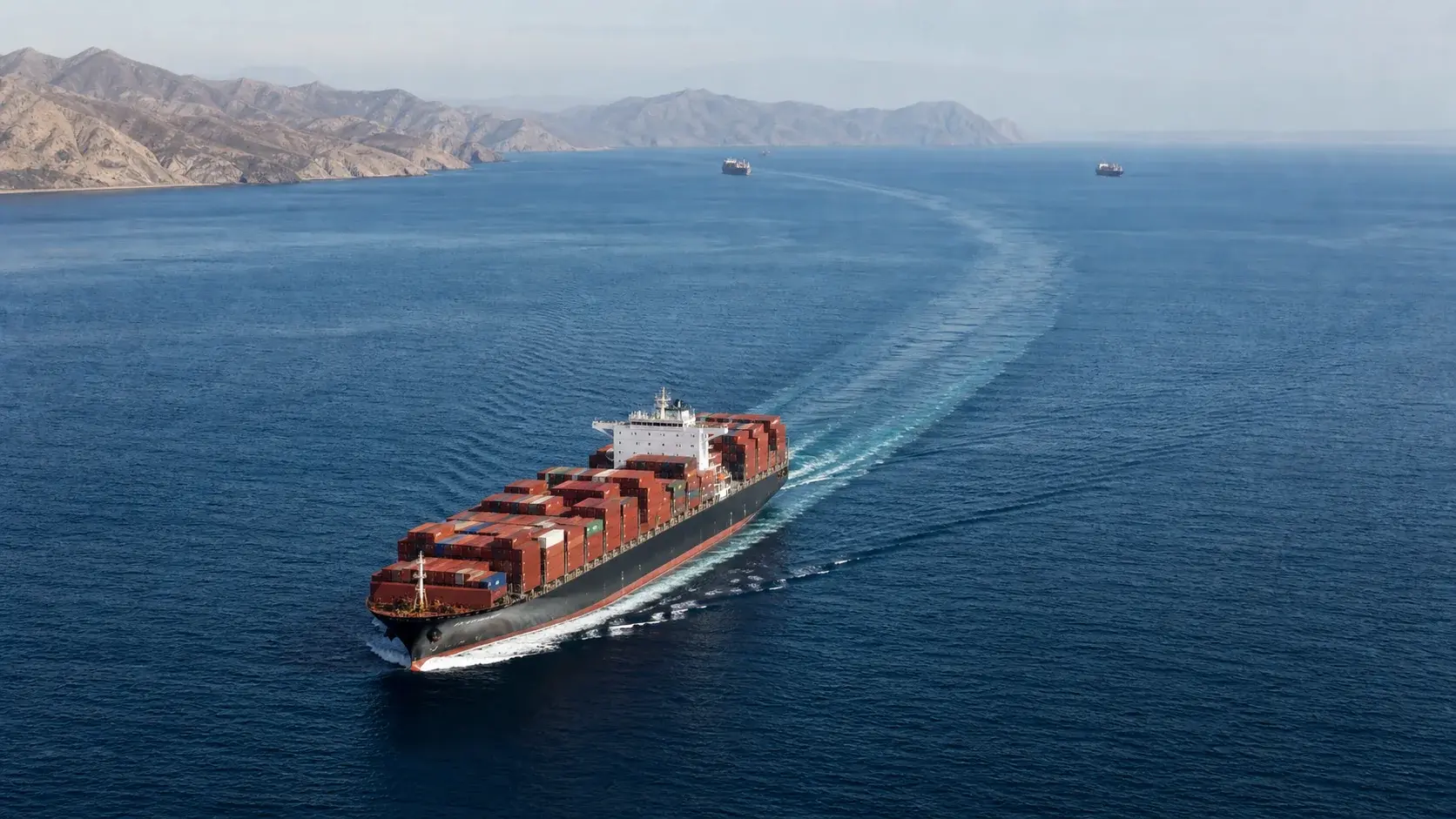 Bab el-Mandeb · editorial image
Sample content — illustrative placeholders carried from the Institute’s own material. RSRPI will replace them with its real work.
02The region
The Red Sea, the Bab el-Mandeb and the Horn of Africa form one connected system. The Institute treats it as one subject.
STYLISED · NOT FOR NAVIGATION · NO POLITICAL BOUNDARIES DEPICTED
03Programmes
The pillars divide the corridor into questions that can actually be researched. A single report often draws on three of them.
04Output
Each format answers a different kind of question. Every one states its length and its cadence up front, so a reader knows what they are committing to before opening it.
One question, answered. It opens with the finding rather than the background, and closes with what a decision-maker should do differently on Monday.
The long-form product: full method, evidence and citation. The executive summary is written to stand alone for a reader who never reaches page two.
The recurring product. Three questions every month, in the same order, so editions can be read against each other rather than one at a time.
Issued against events, not a calendar. It states what moved, when it was observed, and what it implies for the weeks immediately ahead.
05The recurring product
The same three questions every month: what changed in the corridor, what it means, and what to watch next.
SAMPLE DATA · the scale is the Institute’s own four-level reading, published with every edition
06Readership
The Institute writes for people who have to act on the corridor, and formats the work for the decision in front of them.
Foreign affairs, defence, ports and trade portfolios in the states along the corridor.
The kind of reader who needs a regional position argued from evidence before a meeting, not after it.
Scholars working on the Horn and the Red Sea who need sourced regional material they can cite and check.
Correspondents covering the corridor who need context that holds up, and a named person who will go on the record.
Shipping lines, port operators, insurers and lenders carrying real exposure to the route.
Institutions funding security, governance or development work who need independent regional assessment.
07The Institute
Oversight sits with a Board of Directors, delivery with an Executive Team, and a high-level Advisory Council widens the Institute’s reach. The three are deliberately kept apart, and the governance page sets out exactly who does what.
“The corridor is not closed. It is being repriced — and price is policy.”
08Working with the Institute
Research in any pillar can be commissioned as a brief, a report or a closed-door briefing. The Monitor and the alerts go out to a named list.